DeltaCore · Time-series ML platform

Engineered for time series.
Built for production.

A unified Python library that takes a time-series model end to end, from research and AutoML through deployment and live incremental learning, in one codebase that handles batch and streaming data.

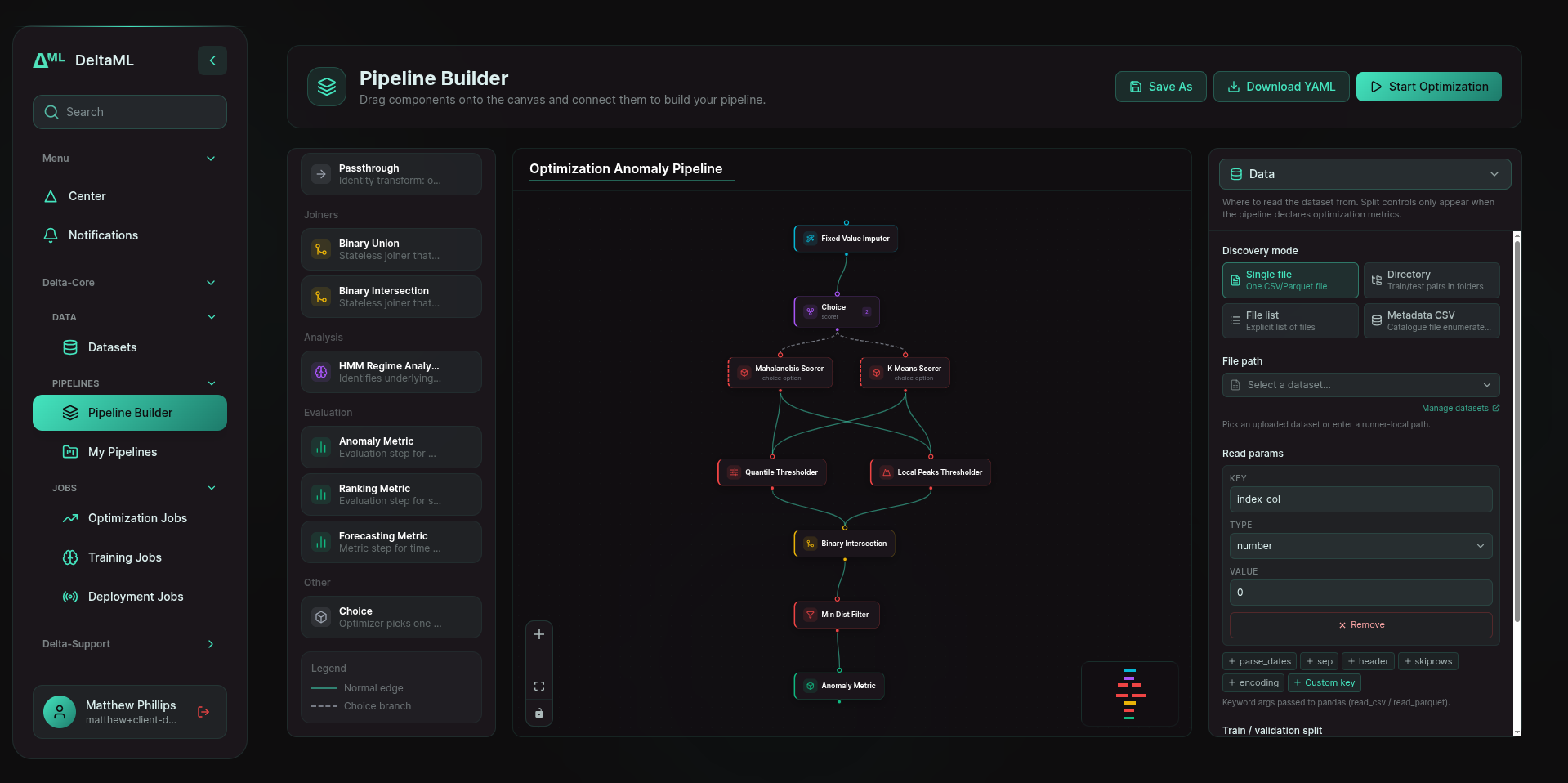
DeltaCore · Pipeline Builder
DeltaCore Pipeline Builder, a visual canvas showing a composable pipeline of forecasting and anomaly-detection steps
What DeltaCore is

The whole lifecycle. One library.

Most enterprise time-series ML stacks are stitched together from general-purpose components. The result is fragile, expensive, and slow. DeltaCore replaces that stack with one library. Narrower in scope, materially faster to deploy, and cheaper and more robust to run.

— 01

Build

Go from idea to a working pipeline in an afternoon. Build by hand in code or visually with drag-and-drop, with multivariate forecasting and anomaly detection native rather than bolted on.

  • Visual canvas
  • 80+ models & building blocks
  • Pipeline validator
— 02

Ship

Hand off a deployable artifact, not a notebook. Export to YAML and deploy anywhere, with model changes you can review in a plain git diff.

  • YAML export
  • Air-gapped support
  • CPU + edge runtime
— 03

Operate

Models that look after themselves in production. The same pipeline runs live, adapts to drift, and plugs into the stack you already run.

  • Live retraining
  • Drift monitoring
  • Per-step explainability
30–50%
Less unplanned downtime where predictive maintenance is used
McKinsey, 2017
>$300K
Cost of a single hour of downtime for 90%+ of enterprises
ITIC, 2024
79%
Of organisations faced payments fraud in 2024
AFP, 2025
The scale of the time-series problems DeltaCore is built for. Figures from the sources linked above.
Live signal

Silence the noise.
Amplify the signal.

Watch streaming data against a learned model of normal behaviour. Flag deviations the moment they occur. Forecast forward with quantified uncertainty. One pipeline. Two modes.

Live signal · streaming
WINDOW500
P990.04s
ANOMALIES0
Why it's different

Six structural differentiators.

Not feature parity. These are combinations no other vendor matches, designed in from the start rather than bolted on later.

— 01 · Full AutoML

We tune the whole pipeline, not just the parameters.

AutoML that searches the pipeline architecture itself, choosing the models and steps, then tuning their hyperparameters together.

— 02 · Data contracts

Silent failures become structurally impossible.

Data contracts validate every pipeline at build time, catching type and schema mismatches before any data flows.

— 03 · Incremental learning

Most platforms detect drift. Ours corrects it.

Models learn incrementally as new data streams in, adapting to concept drift online without a full retrain.

— 04 · Batch + streaming parity

One pipeline, batch and streaming.

Train on historical batches and serve on a live stream from the same pipeline definition, with no rewrite.

— 05 · Outcome optimisation

We optimise the outcome, not a proxy.

Multi-objective search tunes the whole pipeline end to end for the business metric you care about, like revenue, uptime, or yield.

— 06 · Enterprise delivery

Built for regulated, air-gapped environments.

Runs on-premise with fully offline licensing and a tamper-evident audit log. No telemetry, no call-home.

Developer experience

A production pipeline.
In 6 months.
In hours.

One import, one pipeline. Forecasting, anomaly detection, backtesting, and deployment, built from composable pieces that mix transforms, models, and validators. Optimise, train, and deploy from the drag-and-drop GUI, or work directly with the library in your IDE.


One platform · Six industries

Proven where it counts.

The same library covers six verticals. The underlying time-series problem is the same one: forecasting, anomaly detection, signal extraction.

Capital markets01
Banking02
Industrial infrastructure03
Mining & manufacturing04
Retail05
Healthcare06
Capital markets

Project the future from the past.

Price forecasting, regime detection, latency/anomaly detection and trading signal extraction. CPU-first runtimes that meet air-gap requirements.

Algorithmic signals
Regime detection
Volatility forecasting
Risk decision support
Banking

Spot what doesn't belong, in real time.

Fraud detection and churn modelling. Streaming anomaly detection on transaction flows. Air-gapped, on-premise, audit-ready.

Fraud detection
Churn modelling
Transaction monitoring
IT observability
Industrial infrastructure

Catch failures before they cascade.

National-scale anomaly detection and forecasting on water and electricity systems. Edge-capable deployment that runs where the sensors live, surfacing failures in minutes rather than at the next review cycle.

Leak detection
Sensor anomalies
Edge inference
Telemetry pipelines
Mining & manufacturing

Fix it before it breaks.

Predictive maintenance on heavy industrial hardware. Drift-aware models that adapt to changing operating conditions without manual retraining cycles.

Predictive maintenance
Condition monitoring
Yield forecasting
Process optimisation
Retail

Forecasting at SKU-scale.

Massive-scale inventory and retention forecasting. Multivariate models that handle seasonality, promotions, and exogenous signals without bespoke pipelines per SKU.

Demand forecasting
Stock optimisation
Churn prediction
Pricing models
Healthcare

Decisions, audited end-to-end.

Deterioration alerts and admission forecasting. Explainable per-prediction attributions and audit traces aligned with regulated procurement requirements.

Deterioration alerts
Admission forecasting
Patient monitoring
Resource planning
How we engage

Library first.
Consulting where it helps.

DeltaCore ships as a licensed library. Most customers integrate it themselves, and we license, support, and stay in their corner. Where the lift is heavier, our engineering team handles end-to-end implementation alongside your stakeholders.

Your data science team integrates DeltaCore directly. We license the library and provide architecture guidance, training, and SLA-backed support.

Phase 01

Discovery

Use-case scoping, data audit, and feasibility. Pilot pipeline defined and success criteria agreed.

Phase 02

Enablement

License activated. Your team trained on the library. Reference pipelines provided for your data shape.

Phase 03

Service & support

Ongoing licensing, updates, model maintenance, retraining, and SLA-backed support. Roadmap input as a partner.

Our engineering team handles end-to-end implementation (discovery, build, deployment) alongside your stakeholders, with hand-off to your team when ready.

Phase 01

Discovery

One-week scoped data audit and bottleneck identification. Use cases prioritised and success metrics agreed.

Phase 02

Integration

DeltaCore deployed into your environment, whether air-gapped, on-premise, or hybrid. First production pipelines live in 1–2 months.

Phase 03

Service & support

Pipelines monitored, retrained, and extended. Additional use cases added as the platform proves itself against agreed metrics.

The team

Built by researchers.
Run by engineers.

A senior team of researchers and engineers with roots in Stellenbosch University's ML research community. Production deployments across the Europe, Asia, and Africa.

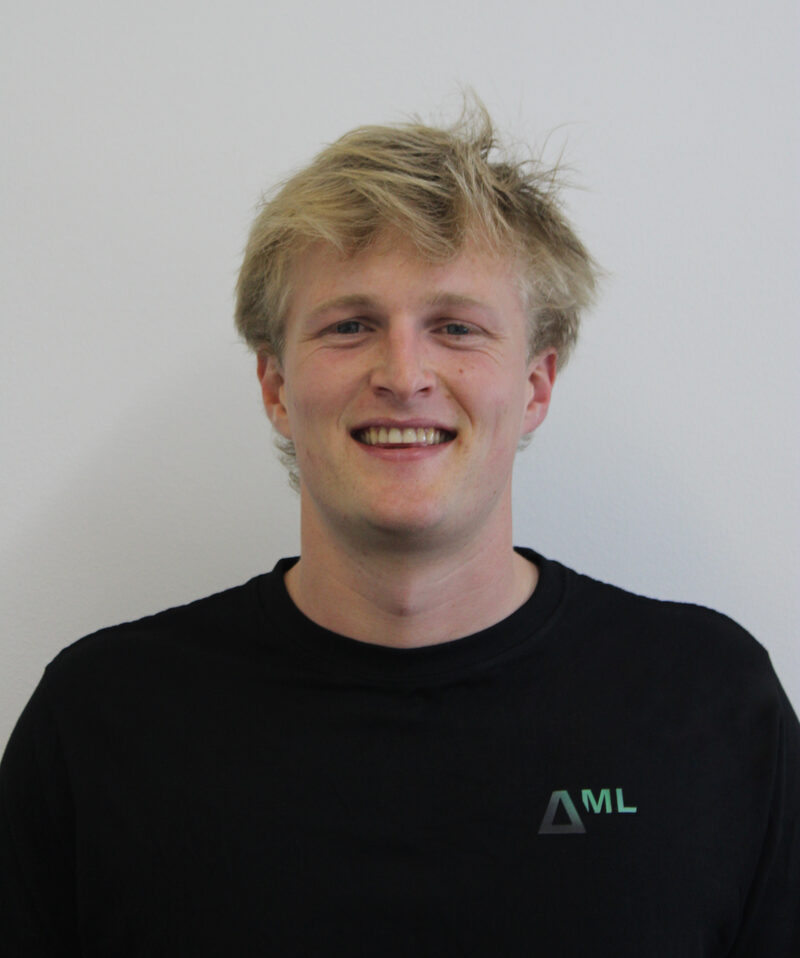
Daniel Barrish
Co-founder · Chief Executive Officer

Daniel Barrish, PhD

PhD Machine Learning. Designed the DeltaCore architecture and leads product direction. Two-time South African chess champion and FIDE Master.

Matthew Phillips
Co-founder · Chief Operating Officer

Matthew Phillips

BSc Mathematics & Computer Science. Leads sales, partnerships, commercial strategy, and integrations. Technical expertise in trading systems and capital markets.

Spencer de Wit
ML Lead

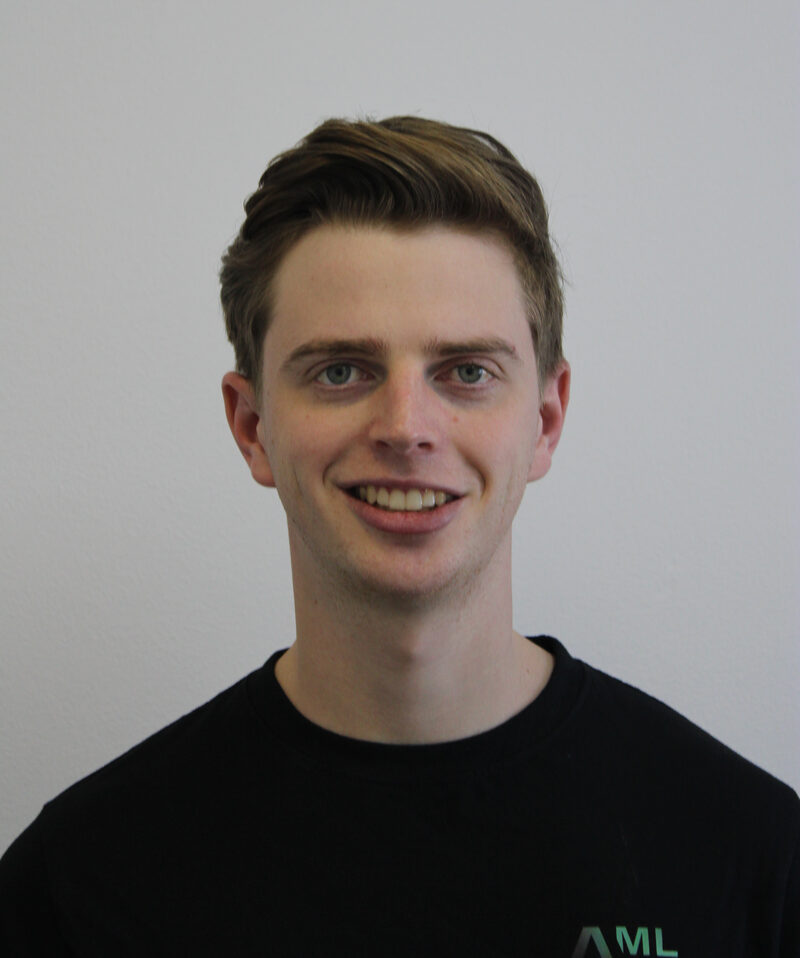
Spencer de Wit, PhD

PhD Machine Learning. Drives core algorithm research and the model development pipeline, and leads the forecasting workstream.

Pieter Colesky
Lead Software Engineer

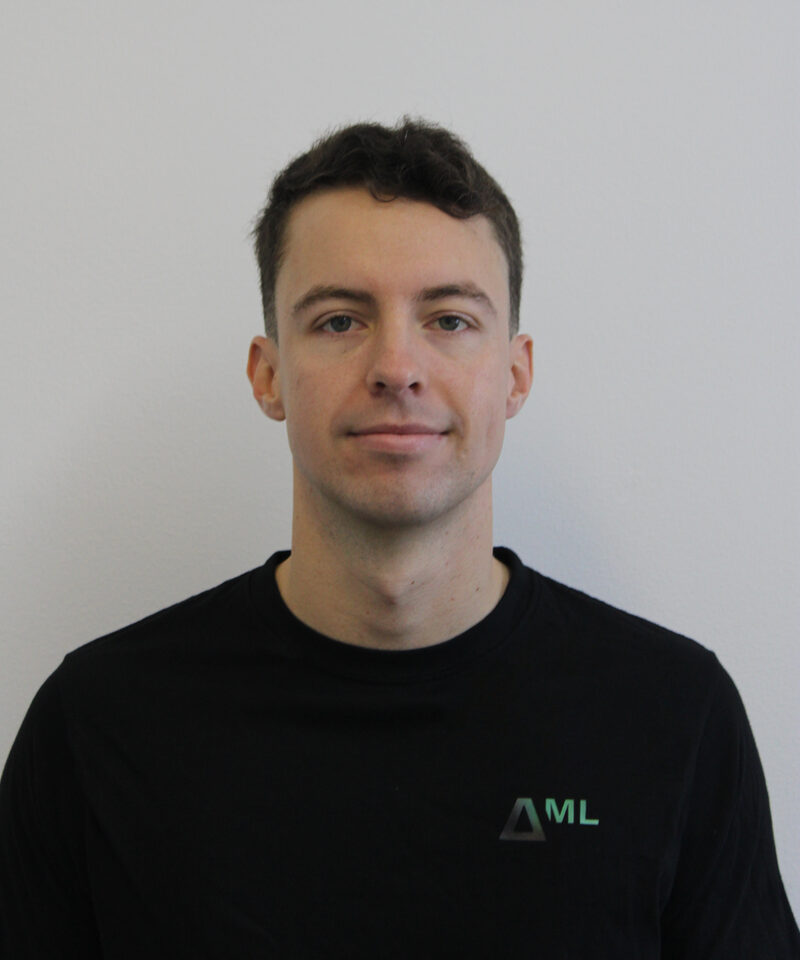
Pieter Colesky

BSc (Hons) Computer Science, MSc in progress. Owns engineering infrastructure and client integration delivery, and leads the software team.

Adam Tonkin
ML Engineer · Anomaly Detection

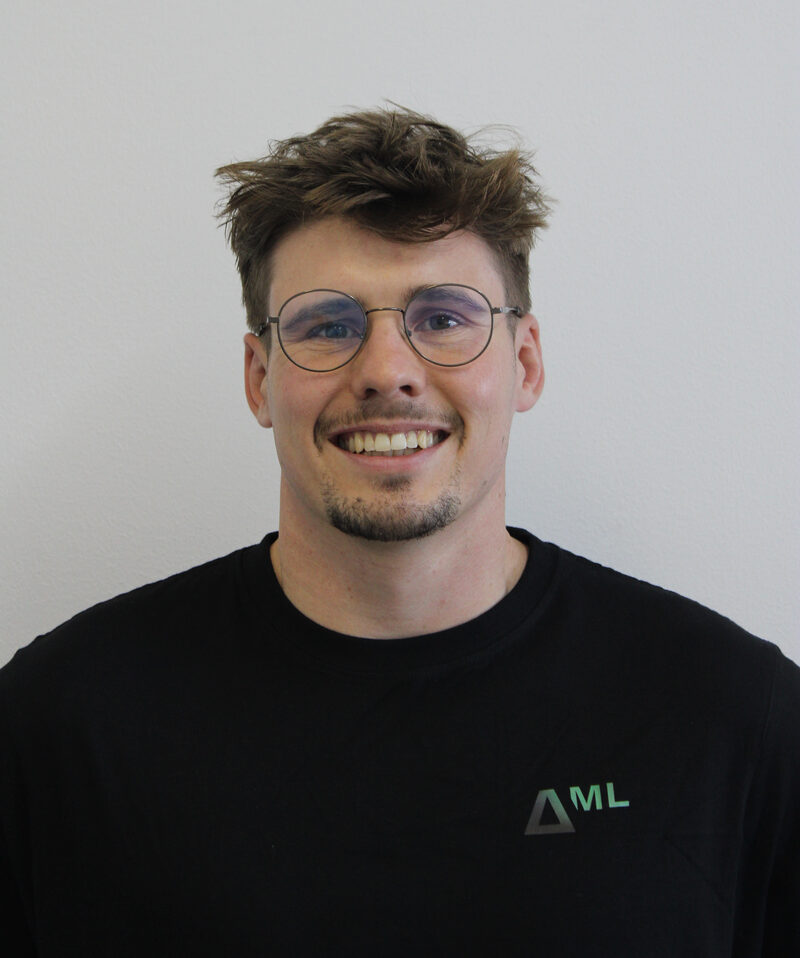
Adam Tonkin

BEng Industrial Engineering. Focused on the anomaly detection workstream: streaming detectors, drift handling, and the live learning loop.

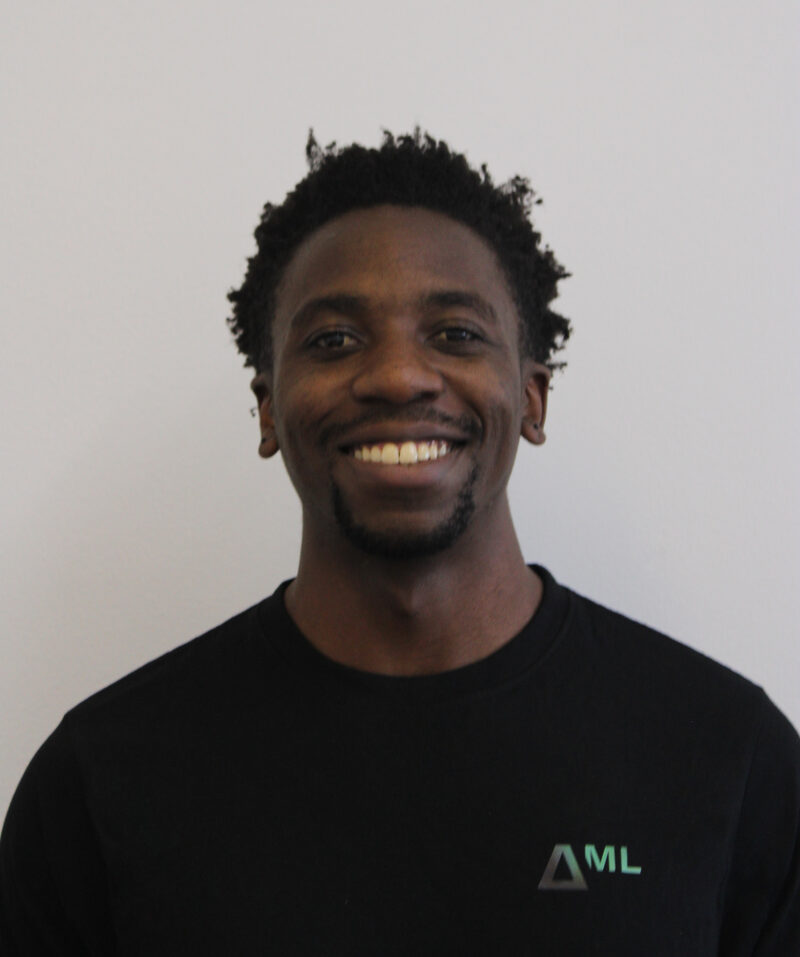
Delvin Gundani
Software Engineer

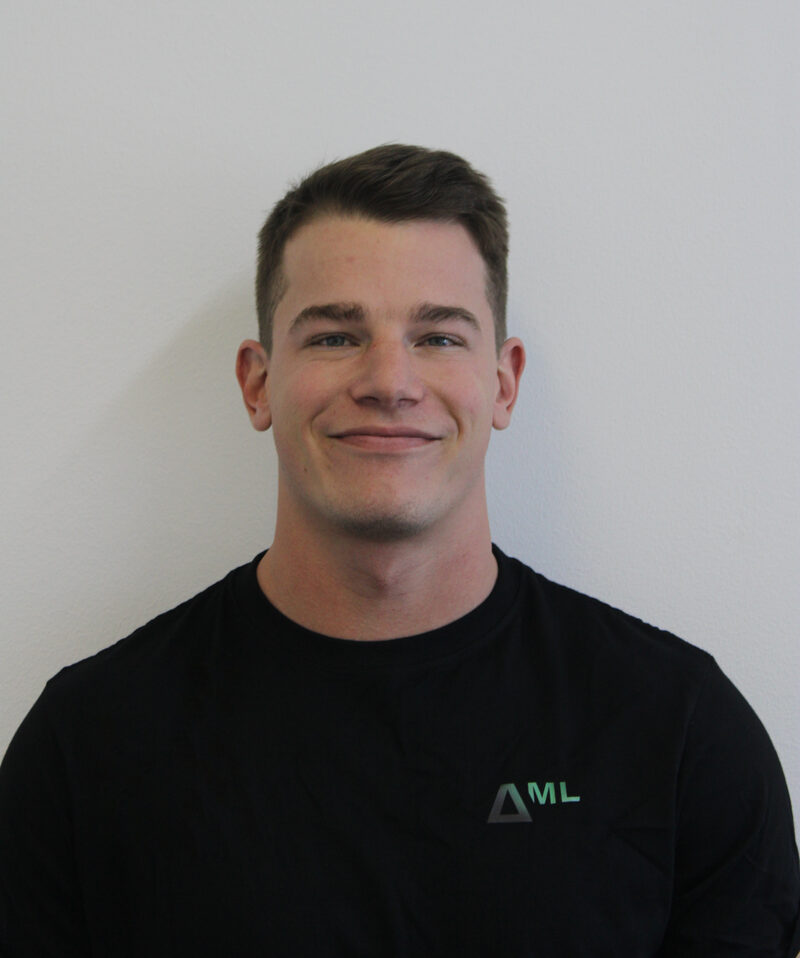
Delvin Gundani

BSc Computer Science. Focused on client integration delivery, deploying DeltaCore pipelines into customer environments.

Your questions · answered

Find everything you need to know.

How is DeltaCore different from a general ML platform?+
DeltaCore is purpose-built for time series: forecasting, anomaly detection, signal extraction, and predictive maintenance. It ships as one library that takes a model from research to production with the same code. General platforms handle these workloads by stitching components together; DeltaCore replaces the stack with a single runtime.
Can our team integrate it ourselves, or do you have to do it?+
Both. Self-integration is fully supported for technical customers. We license the library, provide architecture guidance, training, and support. Where helpful, our engineering team handles end-to-end implementation alongside your stakeholders. The library and the consulting engagement are independent commercial decisions.
Does it run on-premise or air-gapped?+
Yes. DeltaCore is CPU-first and edge-capable, and runs air-gapped, on-premise, or hybrid. Licensing is fully offline and hardware-bound, so nothing calls home, and every gated operation is written to a tamper-evident, cryptographically chained audit log for usage tracking and compliance.
How is pricing structured?+
Monthly fee based on your size and usage, with support included. Integration work is billed hourly. 12-month initial term with renewal options. Get in touch for a quote.
Where is your team based?+
Cape Town, with roots in Stellenbosch University's ML research community. Clients across the Europe, Asia, and Africa.

Stop stitching the stack.
Start shipping pipelines.

Discovery in a week. First pipelines live in 1–2 months. Talk to us about your time-series workloads.